
Fyrox is a free and open source game engine written in the Rust programming language that has been steadily progressing toward its 1.0 release for seven years.
Fyrox is described as a modern, general purpose engine designed for creating 2D and 3D games with a focus on safety, reliability, and performance. It includes a scene editor that allows games to be created with relatively low effort and operates in a way similar to engines such as Unity, while being built with Rust.
Fyrox provides many common features and systems such as animation, audio, physics, particles, lighting, materials and shaders, post-processing effects, and more. It also offers several notable features, including hot reloading of code and assets for rapid prototyping, an extensible PBR (physically based rendering) renderer, the ability to combine 2D and 3D graphics at the same time, and the flexibility to run either as a full-fledged engine or as a framework, enabling developers to build their own tooling.
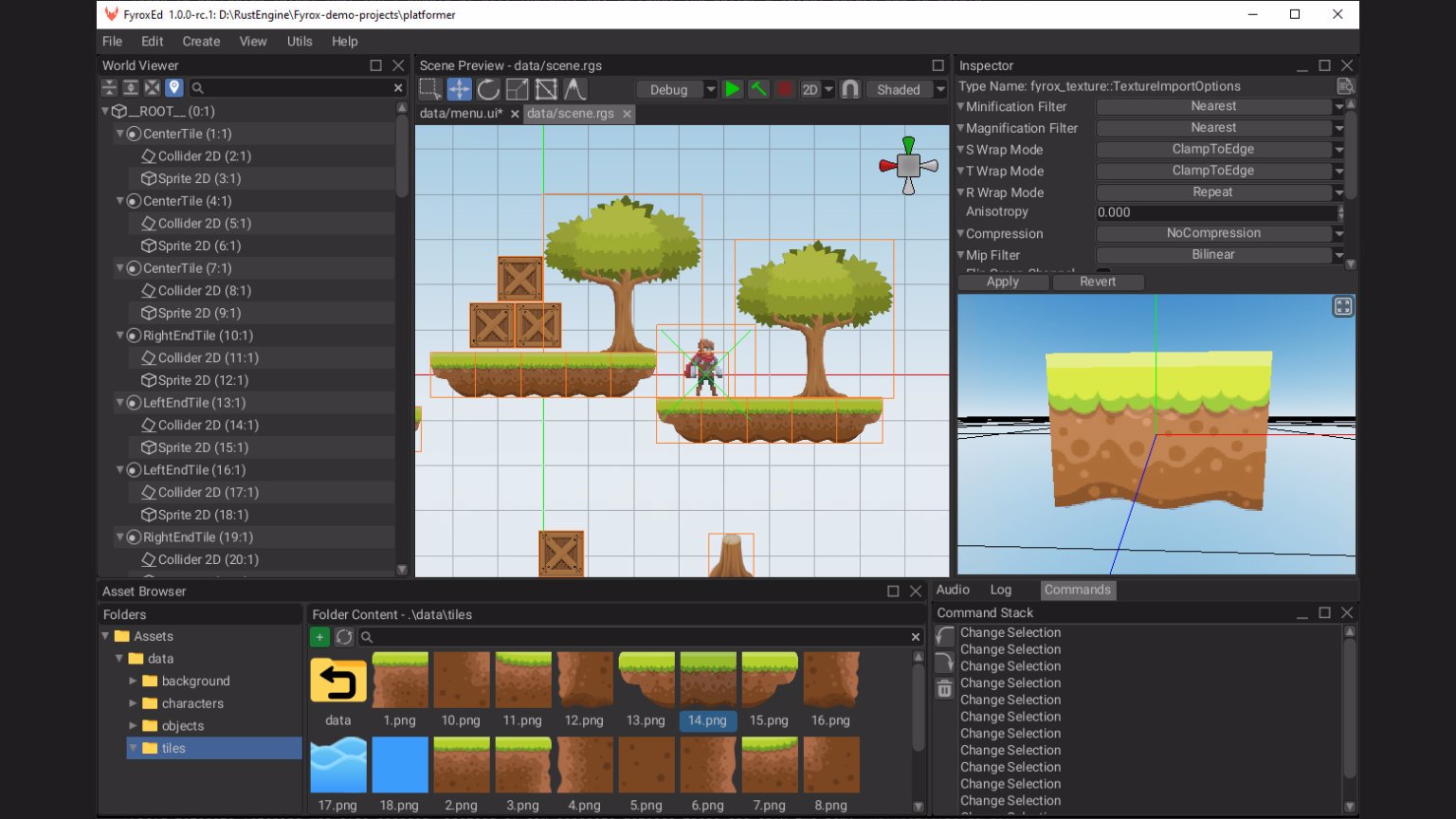
The engine is currently described as being more suitable for games with small to medium-sized worlds. Larger worlds are not ruled out, but may require additional work and optimization. Fyrox runs on Windows, macOS, and Linux, and projects created with the engine can be exported to these platforms as well as to the web via WebAssembly, and to mobile platforms such as Android and iOS.
Fyrox's latest release marks a significant milestone for the project, with a strong focus on polishing and attention to detail. It includes various improvements across the toolset, including updates to the animation editor, the ABSM (Animation Blending State Machine) editor, text rendering, and other areas. It is now also possible to configure continuous integration and continuous delivery (CI/CD) for games built with Fyrox, an important functionality for team-based development involving multiple contributors across different roles. This addition reflects the team’s effort to make the engine more accessible for larger scale projects and teams.
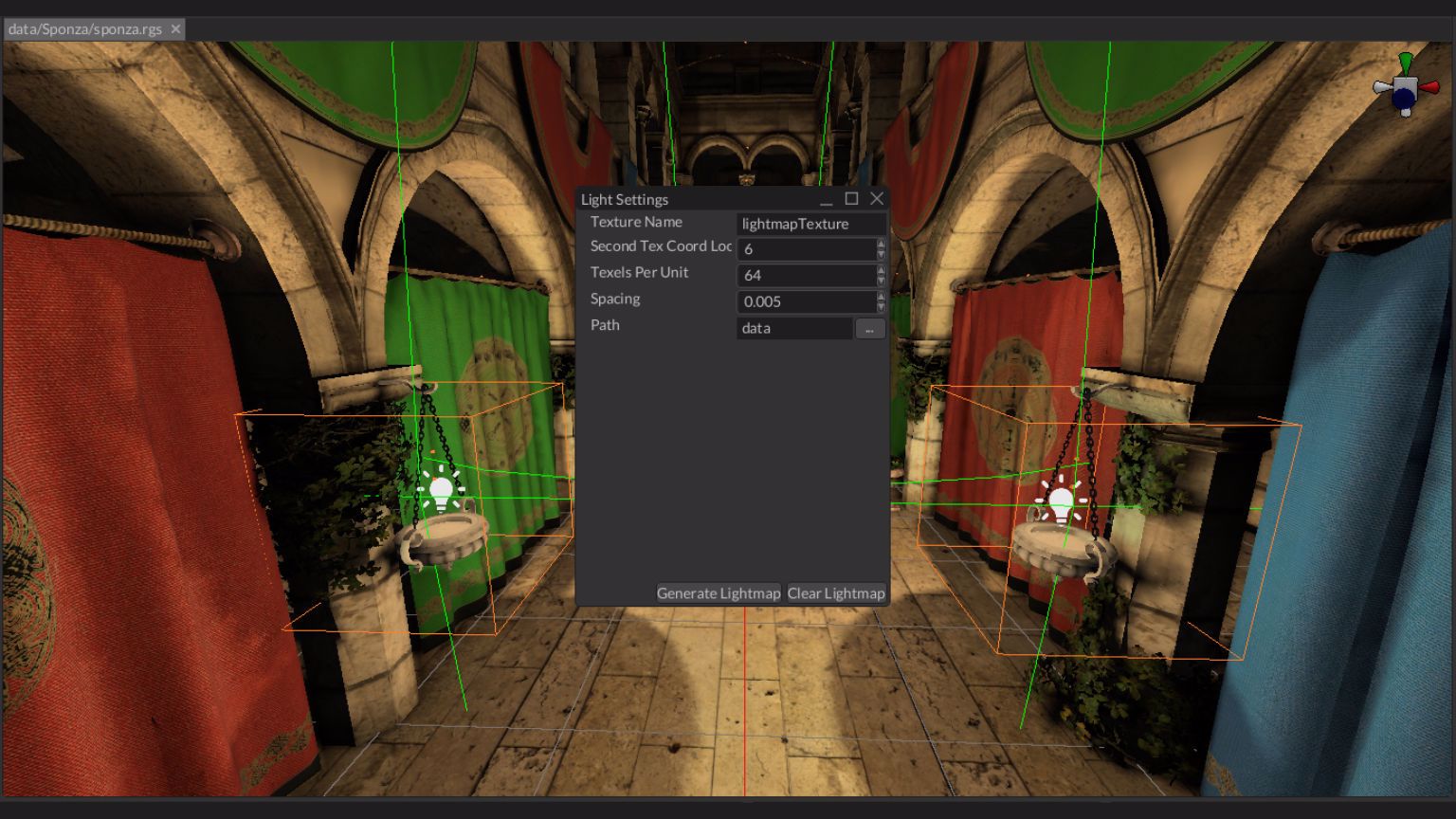
Previous release candidate versions also introduced several improvements across most areas, including the editor, rendering, scenes, particle systems, resource management, physics, and performance. The engine still lacks some features such as global illumination, but its inclusion is already planned, with the team indicating it will likely arrive in Fyrox 2.0.
On the learning side, Fyrox includes a complete and updated book for this release, along with examples that can be run directly in the browser with access to their respective source code.
With this update, Fyrox further positions itself as a strong contender in the game engine space, particularly for those looking to use Rust as their programming language while benefiting from a complete editor-based experience. Those interested in Rust but seeking a more framework-like approach may also explore Bevy, an alternative described as a simple, data-driven game engine.
For more information, visit the Fyrox game engine website.