

For many years, the official place to publish and acquire assets for the Godot game engine was the Asset Library, which was built into the engine itself. While the Asset Library will remain available for the foreseeable future, it should now be considered deprecated, with the new Asset Store taking its place.
The Godot team explained that, although there were initially no plans to run an asset store operated by the Foundation, several factors ultimately led to the change. It was originally assumed that the community would centralize around existing third party stores. However, users regularly sent support emails asking which stores were officially backed by the Godot Foundation, highlighting the need for a clearer official solution. Some stores also raised concerns over paid versions of free assets, often with unclear information regarding ownership and transparency.
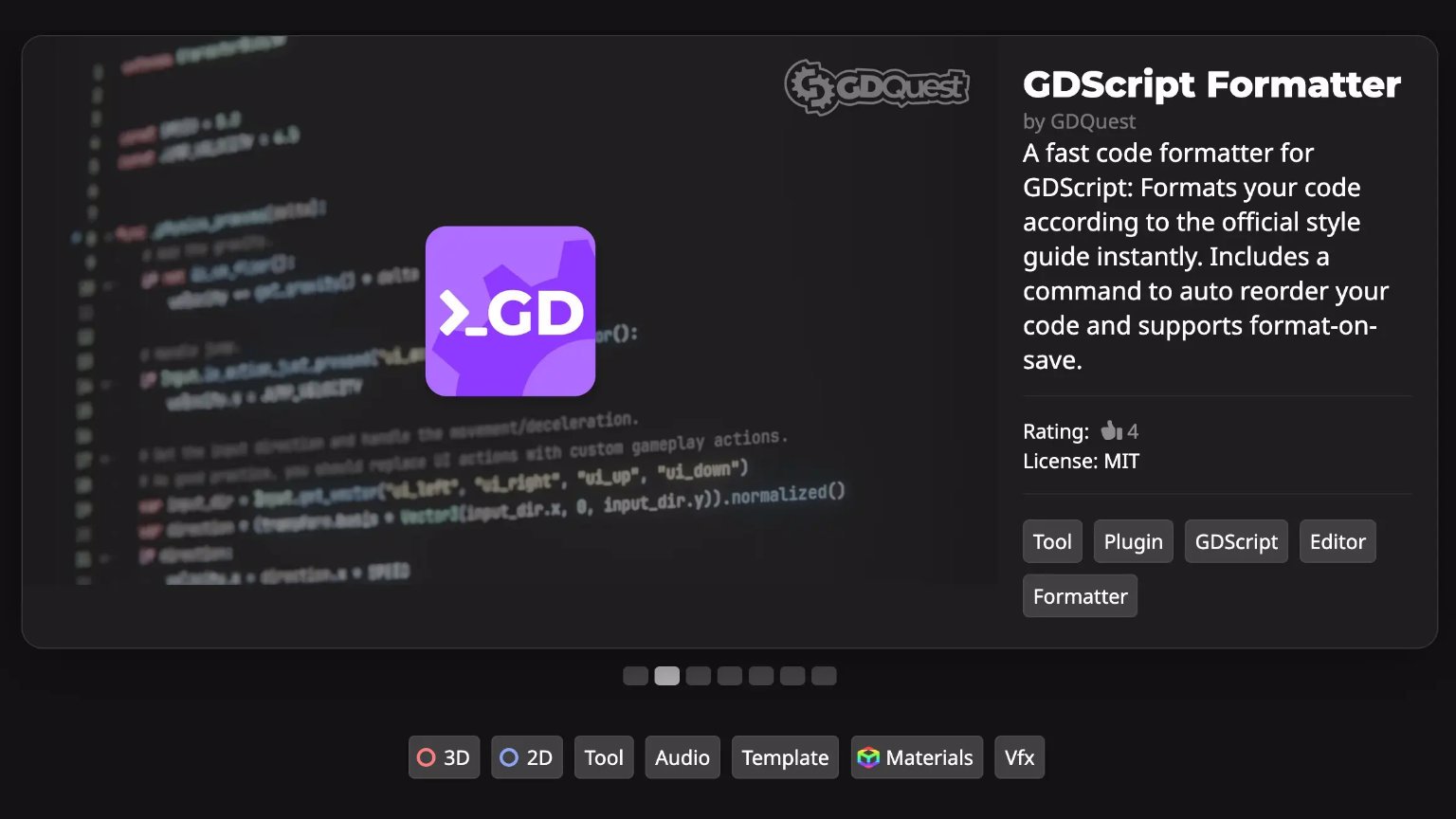
Alongside these concerns, the Asset Library was also facing increasing technical debt. It required separate user accounts from other Godot portals, and its infrastructure had become difficult to evolve while still maintaining compatibility with older versions of the Godot editor.
The Asset Store is now live and stable, and will be fully integrated in the upcoming Godot 4.7 release. It leverages Godot's shared account system, meaning that accounts created for the forum, developer chat, showreel candidates, and development fund can also be used to log in.
The platform introduces several features, such as user reviews and ratings, analytics for asset publishers, changelog pages, and support for multiple downloadable versions of assets when available. Publishers can also tag assets, including the creation of custom tags.
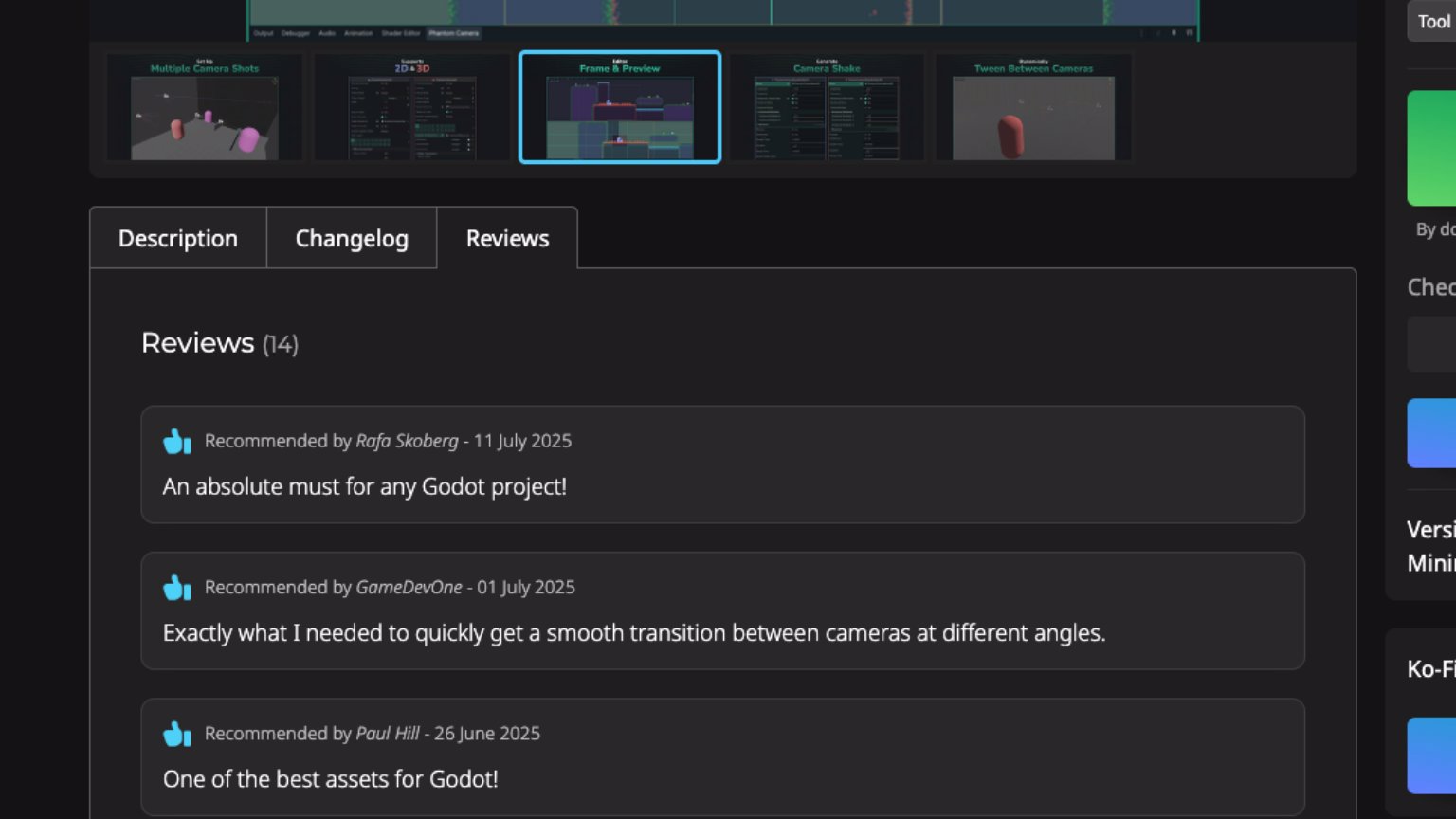
The beta version can be accessed through its standalone website or through preview builds of Godot 4.7. The Godot team encourages users to visit it and begin providing feedback, either by creating an issue on the issue tracker, opening a discussion, or reaching out through email. Publishers are also encouraged to begin migrating their assets.
More features are expected to arrive in the near future. Among the most anticipated additions on the roadmap are the ability to buy and sell assets, support for donations to free plugins so that popular projects can receive better long term support, and the publishing of official plugins and extensions that the team believes should not be part of the engine's default out-of-the-box experience.
In the meantime, the Asset Library will continue operating since many older versions of the engine still rely on it. However, it is expected to become a read-only repository in the near future.
For more information, be sure to read the official announcement on the engine's blog.